



 Satu Energy Research, 25 October 2026
The capital’s 50 MW solar plant, two years on
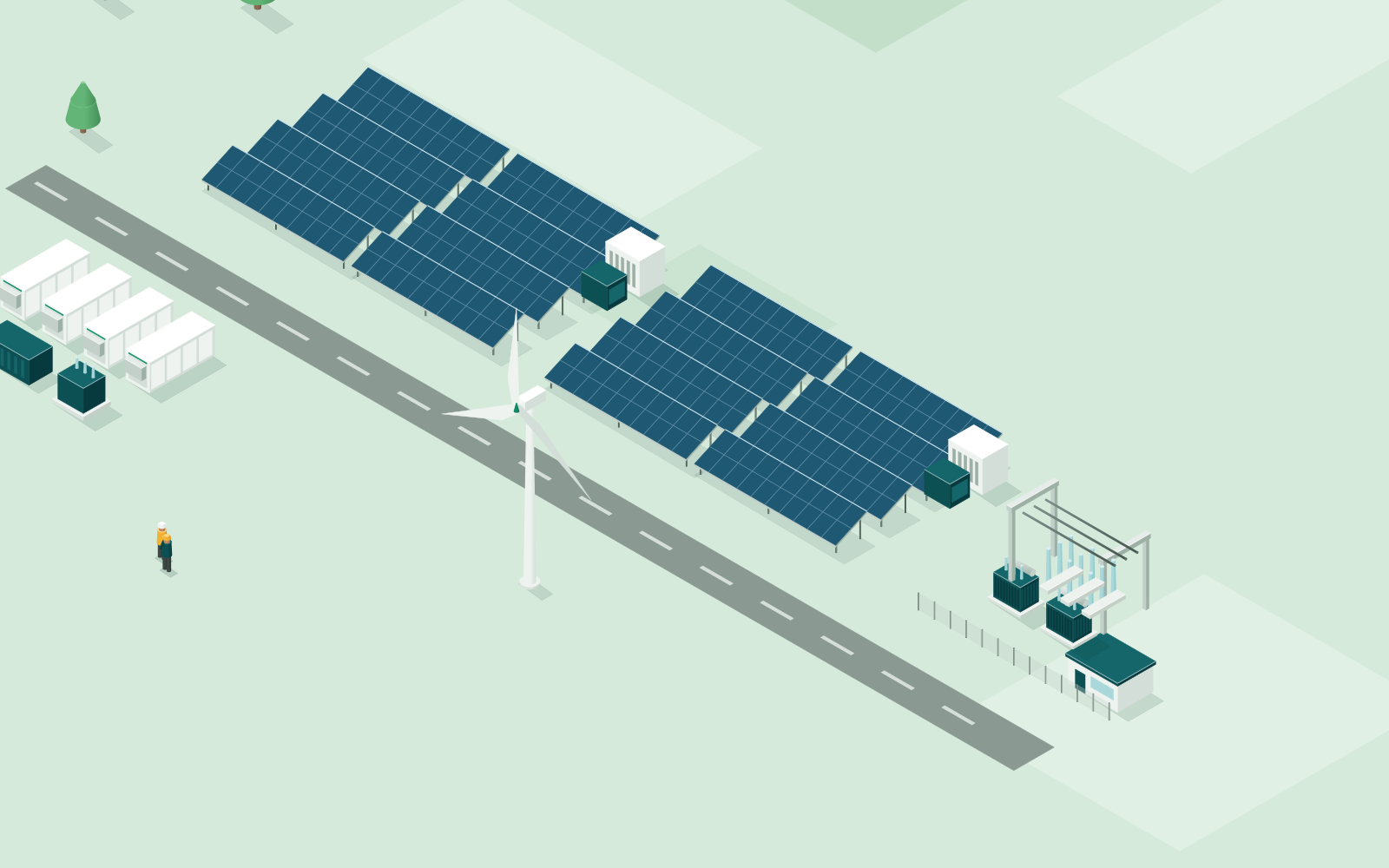
The 50 MW solar plant built for Indonesia’s new capital, Ibu Kota Nusantara, with a 14.2 MWh battery, was meant to show a city run on renewables. Its output is ready; the city’s demand is not. What the project teaches about building supply ahead of load.
Key points
- The 50 MW plant was built in two phases: 10 MW by PLN in 2024 and 40 MW by a PLN–Sembcorp joint venture.
- It is paired with a 14.2 MWh battery and expected to produce about 92.8 GWh a year.
- PLN reported the capital absorbing only 3.5 MW; the rest flows to the Kalimantan grid.
Indonesia’s new capital, Ibu Kota Nusantara (IKN) in East Kalimantan, was promised as a city powered by renewable energy. Its first dedicated power plant is a 50 MW solar farm with a 14.2 MWh battery. The plant works. The city it was built for is still arriving.
The project
- Phase 1, PLN (connected Feb 2024)
- Phase 2, PLN–Sembcorp JV
Show data
| Item | Phase 1, PLN (connected Feb 2024) | Phase 2, PLN–Sembcorp JV |
|---|---|---|
| IKN solar plant | 10 | 40 |
PLN Nusantara Power connected the first 10 MW to the IKN transmission network on 29 February 2024. The remaining 40 MW was built by PT Nusantara Sembcorp Solar Energi, a joint venture of PLN Nusantara Renewables and Sembcorp Utilities, with a 14.2 MWh battery, the first co-located solar and storage project for the capital. Reported investment was about Rp 900 billion, and expected output 92.8 GWh a year.
- 92.8 GWhExpected annual output
- 21%Implied capacity factor on 50 MW (Satu Energy calculation)
- Rp 18 bnInvestment per MW, from the reported Rp 900 billion
Supply ahead of demand
PLN reported that of the 50 MW, the capital absorbed only about 3.5 MW. The surplus flows into the wider Kalimantan grid. For the plant’s economics that is fine: the grid uses the energy. For the vision of a renewable capital, it shows the order of events: supply was built for a city whose ministries, residents and businesses are moving in slowly.
Show data
| Measure | MW |
|---|---|
| Solar plant capacity | 50.0 |
| Absorbed by IKN | 3.5 |
The longer plan
The stated goal is a supply that is 100% new and renewable energy, with fossil plants kept as backup. PLN has mapped up to 1,000 MW of hydro potential around IKN. Solar can serve daytime load; hydro would provide the firm supply a capital city needs at night.
Lessons for other projects
- Connect to the grid, not only to the customer. Because the IKN plant feeds the Kalimantan system, slow demand did not strand it. A plant that could only serve its anchor customer would have been curtailed.
- Batteries buy flexibility early. A 14.2 MWh battery is small against 50 MW, but it smooths output and supports a grid that is still being built.
- Phase supply with demand. Building 10 MW first and adding 40 MW in a second phase spread the risk. Industrial estates and new towns can follow the same pattern.
- Monitor from day one. When a plant serves several users, metering and reporting show who used what, and when.
What to watch
- Growth in IKN’s actual load as government offices move.
- Progress on hydro around the capital.
- Whether new IKN districts add rooftop solar as a building requirement.
Sources
- Reccessary, Indonesia advances green initiative with 50 MW solar plant for new capital
- SolarQuarter, PLN Nusantara Power connects 10 MW solar plant to IKN transmission network, March 2024
- Energy Storage News, Sembcorp launches Indonesia solar-plus-BESS project with PLN
- Investor Trust, Rp 900 billion 50 MW solar plant ready to supply IKN
- ANTARA, a look at the IKN solar plant’s green energy achievements
- Kompas, where IKN’s electricity will come from
Summaries and analysis by Satu Energy. Programme and plan figures are not operating capacity unless stated.
Satu Energy (PT Satu Solusi Energi), Jakarta. Read online and download the chart data at satuenergy.com/insights/ikn-solar-power/. Contact: contact@satuenergy.com. This report uses public sources only; figures for plans and programmes are not operating capacity unless stated.