 Satu Energy Research, 10 November 2026
The renewables bill stuck on one clause
Indonesia’s new and renewable energy bill (RUU EBET) is on the 2026 priority list, but one clause, power wheeling, has blocked it for years. What wheeling is, why the president rejected it and how companies buy green power without it.

Key points
- Almost every article of the EBET bill was agreed in 2025, except shared use of transmission (power wheeling).
- The energy ministry says wheeling is out; the president’s envoy says it will not happen under this government.
- Companies buy green power through PLN certificates instead; sales grew from 0.3 TWh in 2021 to 5.4 TWh in 2024.
Indonesia has been drafting a law on new and renewable energy (Rancangan Undang-Undang Energi Baru dan Energi Terbarukan, RUU EBET) for years. By 2025 almost every article had been agreed between government and parliament. One had not: shared use of transmission networks, known in Indonesia as pemanfaatan bersama jaringan transmisi (PBJT) or, more commonly, power wheeling. In November 2026 the bill remains on parliament’s 2026 priority list, and remains unpassed.
What power wheeling is
Power wheeling lets an independent generator sell electricity directly to a customer, using PLN’s transmission and distribution lines for a fee. A factory in West Java could buy from a solar farm in Central Java under its own contract, paying PLN to carry the power.
Supporters say it would unlock private investment and give companies a direct route to renewable power. Opponents, including PLN, argue it would let large customers leave the PLN tariff, leaving fixed grid costs on the remaining customers, and would weaken the single-buyer model in the Electricity Law.
Where it stands
- The ministry. The energy ministry has said power wheeling is not part of the bill’s discussion. Its earlier proposal was “network rental” (sewa jaringan), which it argued fits within the existing Electricity Law.
- The palace. Presidential special envoy Hashim Djojohadikusumo said President Prabowo rejected the concept and that it would not be applied while he is president.
- Parliament. At a September 2026 hearing, the renewable energy society METI argued there is still room to clarify network use and leasing in the bill. Commission XII member Eddy Soeparno acknowledged the bill remains unfinished business. The ministry’s director general said she had not received direction on next steps.
How companies buy green power without it
Without wheeling, a company in Indonesia has four routes to renewable electricity:
- Renewable energy certificates (RECs) from PLN, at Rp 35,000 per MWh.
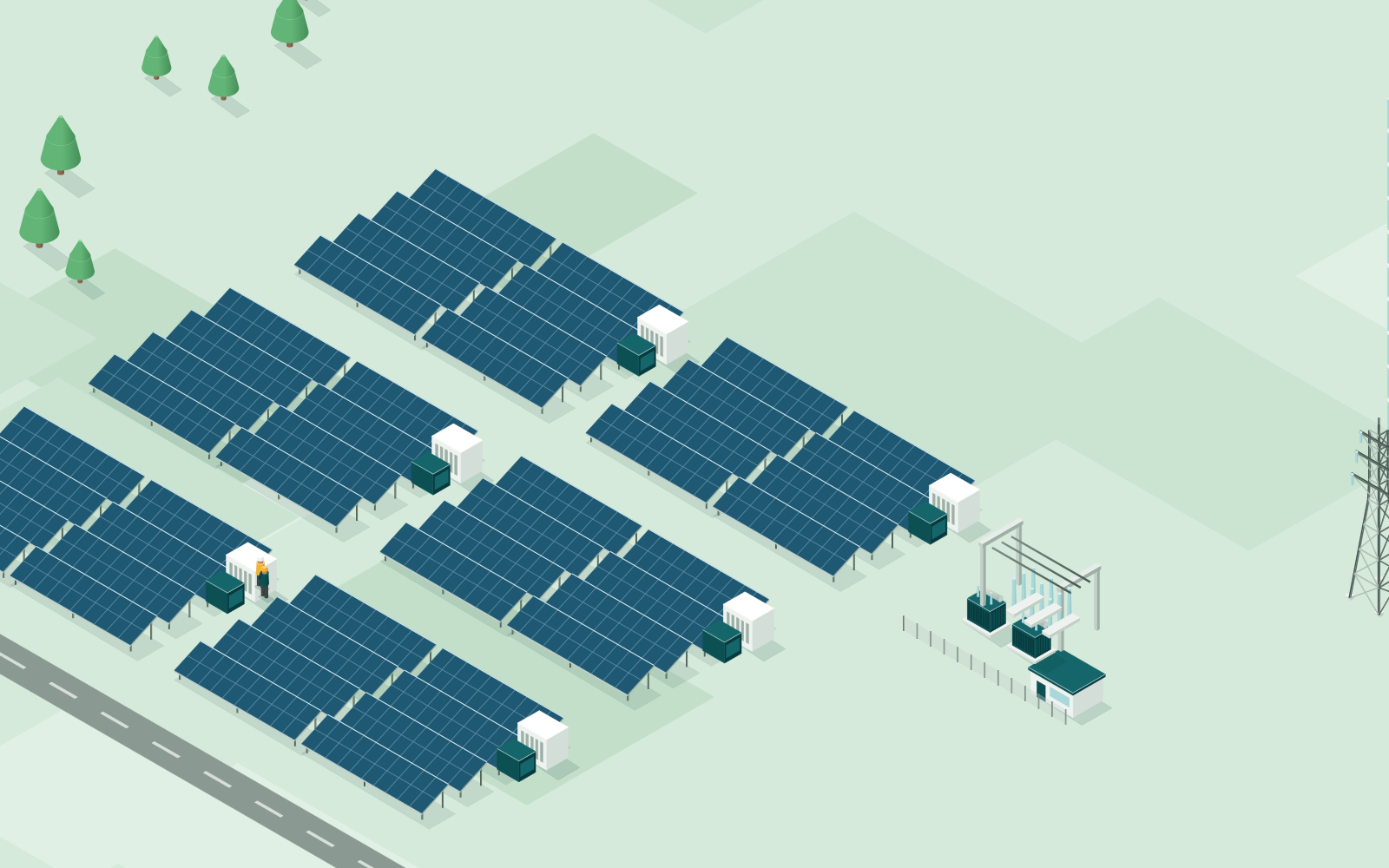
- On-site solar, rooftop or ground-mounted, within PLN’s rooftop quota rules.
- Captive renewables in industrial parks with their own business area licence.
- PLN green tariff products tied to specific renewable plants.
The certificate route has grown fastest, and its growth is the clearest measure of unmet demand.
2025 covers January to June only. One REC equals 1 MWh.
Show data
| Period | GWh |
|---|---|
| 2021 | 309 |
| 2022 | 1,763 |
| 2023 | 3,544 |
| 2024 | 5,382 |
| H1 2025 | 2,689 |
- Rp 35,000Price of one PLN certificate, equal to 1 MWh
- ≈ Rp 35Premium per kWh, about 3% of the I-3 industrial tariff
- 0 MWNew capacity a certificate purchase guarantees on its own
 Satu Energy
Certificates are cheap and simple, but they come mostly from existing hydro and geothermal plants. They prove a claim on renewable output; they do not, by themselves, add new solar or wind. Global buyers increasingly ask for “additionality”, which certificates from old plants cannot show.
What it means
- For corporate buyers: on-site solar is the most direct way to add new renewable capacity. Pair it with certificates for the remainder.
- For developers: without wheeling, PLN remains the only buyer for grid-scale projects. Tender access, not customer contracts, decides volume.
- For policy: a network-rental scheme with a transparent fee could meet both sides halfway. Its design, not its name, will decide whether it works.
What to watch
- Whether the bill moves in parliament before the 2026 session ends.
- Any regulation on network rental under the existing Electricity Law.
- PLN’s green tariff products and whether they are tied to new plants.
Sources
- Katadata, RUU EBET enters the national legislation programme without power wheeling
- Katadata, ESDM: RUU EBET remains a priority, power wheeling still under discussion
- Bloomberg Technoz, ESDM confirms power wheeling is not in RUU EBET
- Listrik Indonesia, RUU EBET pushed again with power wheeling in focus
- IDX Channel, Commission XII says one article remains in long debate
- Invest Indonesia, PLN renewable energy certificate sales up 14% in 2025
- VOI, PLN’s REC sales reach 13.68 TWh
Summaries and analysis by Satu Energy. Programme and plan figures are not operating capacity unless stated.
Satu Energy (PT Satu Solusi Energi), Jakarta. Read online and download the chart data at satuenergy.com/insights/ebet-bill-power-wheeling/. Contact: contact@satuenergy.com. This report uses public sources only; figures for plans and programmes are not operating capacity unless stated.