 Satu Energy Research, 8 November 2026
One in five new cars is now electric
Battery-electric cars reached 20.6% of Indonesian car sales in October 2026, and electrified cars took 26.8% of the first half. What the Gaikindo numbers show, how much electricity EVs actually need and where charging meets solar.
Key points
- Wholesale BEV sales reached 83,758 units in January to July 2026, up 88.6% year on year.
- Electrified cars took 26.8% of passenger sales in the first half of 2026, up from 18.3%.
- For the grid, the issue is when cars charge, not how much energy they use in total.
Indonesia’s car market has changed faster than almost anyone forecast. In October 2026, 16,791 battery-electric cars were delivered to dealers, about 20.6% of the market. A country that had a few thousand electric cars on the road in 2022 now sells one in five new cars with a plug.
The numbers
- 83,758Battery-electric cars sold wholesale, January to July, up 88.6%
- 26.8%Electrified share of passenger car sales, first half
- 20.6%Battery-electric share in October
Electrified includes battery-electric, plug-in hybrid and hybrid. Battery-electric cars were about 69,000 of 117,000 electrified units.
Show data
| Period | % |
|---|---|
| H1 2025 | 18.3 |
| H1 2026 | 26.8 |
Most of the growth comes from affordable Chinese models and government incentives. The government has set an incentive target of 100,000 electric cars and 100,000 electric motorcycles, and in August 2026 discussed new incentives even as sales soared. Gaikindo’s overall market target for 2026 is 850,000 vehicles, up from 803,687 in 2025.
How much electricity do EVs need?
Less than headlines suggest. A car driven 15,000 km a year at 0.15 kWh per km uses about 2,250 kWh a year. Even 150,000 new battery-electric cars a year adds about 0.34 TWh of annual demand per year’s sales.
Illustrative. The EV figure covers one year’s sales cohort only.
 Satu Energy
Show data
| Use | TWh |
|---|---|
| National consumption, 2025 (RUKN) | 539.00 |
| Nickel sector captive power, 2025 | 81.00 |
| 150,000 new EVs, one year of driving | 0.34 |
Energy is not the issue. Timing is. If most cars charge at home after work, they add load at the evening peak, exactly when solar is gone and the grid is tightest. If they charge at work during the day, they absorb midday solar that might otherwise be curtailed.
Where EVs meet solar
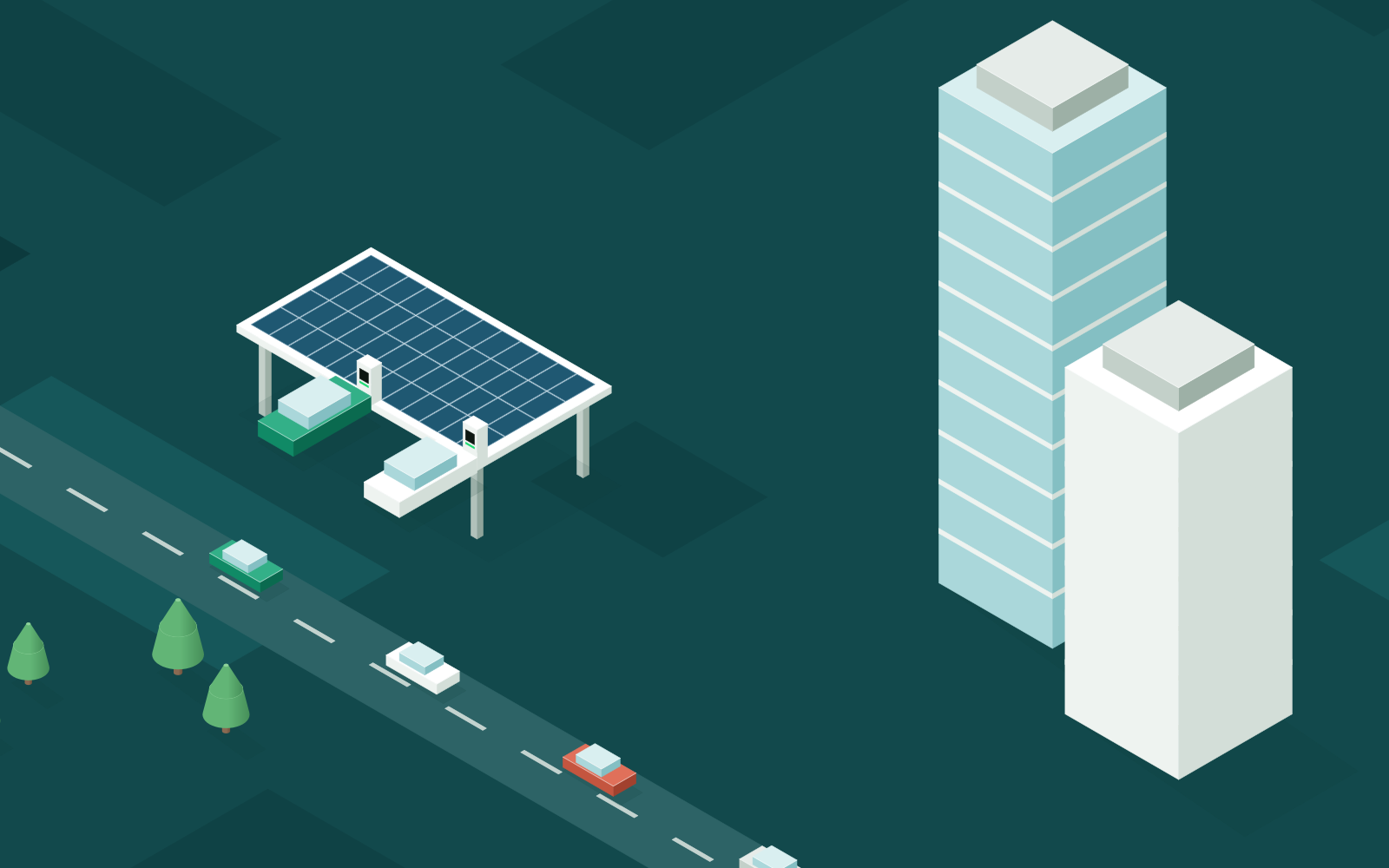
- Workplace and mall charging under solar carports turns parked cars into a daytime load that follows the sun.
- Smart charging lets fleet operators shift charging to cheap or clean hours. PLN already offers discounted night-time home charging, which helps fill the overnight trough but not the solar peak.
- Fleet depots for buses, taxis and logistics are the largest, most predictable loads. They are the first place to pair chargers with on-site solar and batteries.
What it means for site owners
A commercial building adding 20 fast chargers can double its peak demand. Before installing chargers, check transformer capacity and contracted power; a battery and load management can avoid an expensive PLN upgrade. Monitoring that shows when chargers run, and against what solar output, is what makes the economics visible.
What to watch
- Full-year 2026 Gaikindo figures, due early 2027.
- The design of new incentives and whether they extend to charging infrastructure.
- PLN tariff products for daytime and depot charging.
Sources
- Jakarta Globe, Indonesia car sales jump 12% as EV demand accelerates
- Asia Pacific Solidarity Network, Indonesia’s electrified vehicle sales jump 69% in first half of 2026
- Charjin, Indonesia’s battery cars reach one in five October sales
- The Jakarta Post, government plans new EV incentives even as sales soar, 7 August 2026
- Journal Arta, Indonesia auto industry 2026: EV sales target 100,000 units
- SUPRA International, RUKN 2025–2060 national electricity plan
Summaries and analysis by Satu Energy. Programme and plan figures are not operating capacity unless stated.
Satu Energy (PT Satu Solusi Energi), Jakarta. Read online and download the chart data at satuenergy.com/insights/indonesia-ev-boom-grid/. Contact: contact@satuenergy.com. This report uses public sources only; figures for plans and programmes are not operating capacity unless stated.