


 Satu Energy Research, 12 November 2026
Clean power for Singapore is stuck in Jakarta
Singapore has approved 3.4 GW of electricity imports from Indonesia, mostly solar and batteries in the Riau Islands. In November 2026 Indonesia’s energy minister said exports would wait. What is approved, what is missing and what it means for developers.
Key points
- Singapore’s regulator has granted conditional licences for 2 GW and conditional approvals for 1.4 GW of imports from Indonesia.
- Projects such as Vanda (2 GWp solar, 4.4 GWh battery) need Indonesia’s export regulation in 2026 or 2027 to reach 2029.
- In November 2026 the energy minister said exports would not happen soon, then said they depend on price.
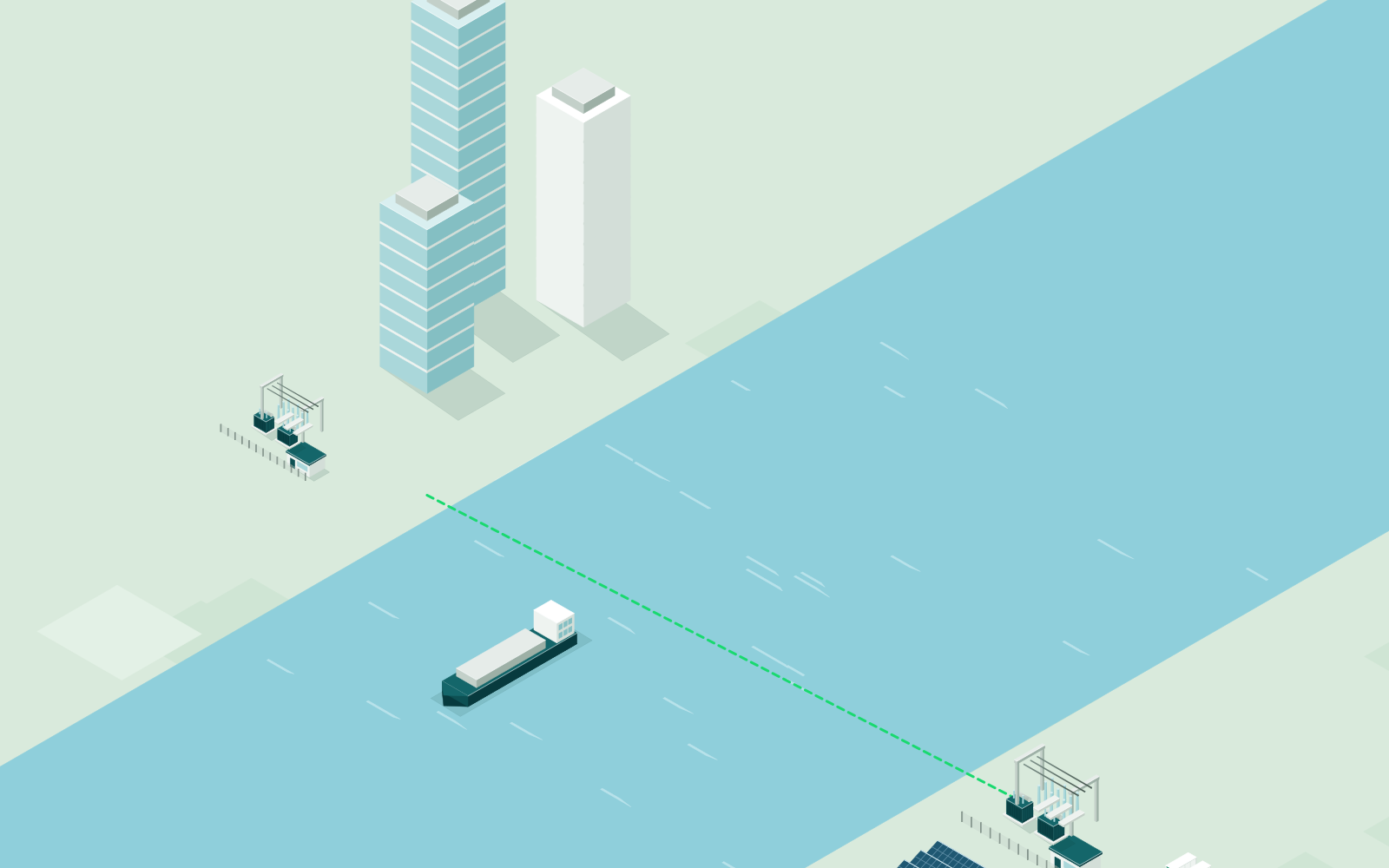
Singapore wants to import low-carbon electricity, and the nearest large supply of land and sunshine is a short subsea cable away in Indonesia’s Riau Islands. On paper the trade is well advanced. In practice, as of November 2026, it is waiting on Jakarta.
What Singapore has approved
Singapore’s Energy Market Authority has granted conditional licences for 2 GW and conditional approvals for another 1.4 GW of imports from Indonesia, a planned total of 3.4 GW. Most of it is solar paired with large batteries, because a cable is only economic if it carries power around the clock, not only at noon.
Show data
| Stage | GW |
|---|---|
| Conditional licences | 2.0 |
| Conditional approvals | 1.4 |
One licence went in 2025 to Singa Renewables, a TotalEnergies and RGE joint venture, for 1 GW from a hybrid solar, battery and subsea-cable project in Riau, part of which would also supply nearby industrial estates. Another project, Vanda, plans 2 GWp of solar and 4.4 GWh of batteries and expects to operate by 2029, but only if Indonesia issues its export rules in 2026 or by 2027.
Units differ: solar in GWp of capacity, storage in GWh of energy.
Show data
| Component | Value |
|---|---|
| Solar, GWp | 2.0 |
| Battery storage, GWh | 4.4 |
What Indonesia has not done
Three things are missing on the Indonesian side.
- An export regulation. Developers need rules on licensing, local content and how export plants relate to PLN. The Jakarta Post wrote in September 2026 that exports “hinge on regulatory clarity”.
- A deal on benefits. An energy ministry official told The Star in March: “Up to now there is no deal on what benefit(s) we get if we export electricity to Singapore.” Indonesia has linked exports to investment in domestic manufacturing and to price.
- Political will. On 3 November 2026, Bloomberg reported energy minister Bahlil Lahadalia saying Indonesia would not export electricity in the near future because it needs the power at home. He later softened that to say exports depend on prices meeting Indonesia’s requirements.
This sits awkwardly with the July 2026 leaders’ retreat, where President Prabowo and Prime Minister Lawrence Wong reaffirmed their commitment to cross-border electricity trade.
Why the “we need it at home” argument is weaker than it sounds
Batam and the Riau Islands have their own fast-growing demand, especially from data centres. But export projects are built for export: without the Singapore contract, most of them would not be financed at all. Indonesia keeps the land lease, construction jobs, taxes, any local-content manufacturing, and the option of supplying local industry from the same sites.
The stronger argument for caution is about sequence. If the best sites near Singapore are locked into export contracts before the Riau grid is strengthened, local users may face slower clean supply. A regulation that requires part of each project to serve local load, as the TotalEnergies and RGE project plans, would answer that.
What it means for developers
- Price risk sits in Jakarta, not Singapore. Singapore’s side is licensed. The open question is what Indonesia will require in return.
- Manufacturing commitments may be the currency. Expect local-content and factory conditions similar to those attached to Indonesia’s domestic solar programme.
- Timelines slip one-for-one with the regulation. Vanda’s 2029 date already depends on rules arriving by 2027.
What to watch
- Publication of an electricity export regulation by the energy ministry.
- Any pricing formula or benefit-sharing scheme agreed between the two governments.
- Whether licensed projects reach financial close, the first hard test of the corridor.
Sources
- Bloomberg, Singaporean plan to import clean power hits Indonesian hurdle, 3 November 2026
- The Jakarta Post, power exports to Singapore hinge on regulatory clarity, 27 September 2026
- The Star, Indonesia’s plan to export solar energy to Singapore hits a snag, 9 March 2026
- TotalEnergies, Indonesia–Singapore solar and battery project reaches new milestone
- VnExpress, Indonesia will not export electricity to Singapore without fair price
Summaries and analysis by Satu Energy. Programme and plan figures are not operating capacity unless stated.
Satu Energy (PT Satu Solusi Energi), Jakarta. Read online and download the chart data at satuenergy.com/insights/indonesia-singapore-electricity-export/. Contact: contact@satuenergy.com. This report uses public sources only; figures for plans and programmes are not operating capacity unless stated.