


 Satu Energy Research, 7 October 2026
Upper Cisokan and Indonesia’s storage gap
Upper Cisokan, Indonesia’s first pumped-storage plant at 1,040 MW, now targets operation in 2030. RUPTL plans 10.3 GW of storage, 7.3 GW of it after 2030. Why storage timing will set the pace for solar.
Key points
- Upper Cisokan is a 1,040 MW pumped-storage plant, four 260 MW units, now targeting 2030.
- RUPTL plans 10.3 GW of storage: 3.0 GW before 2030, 7.3 GW after.
- Solar grows faster than storage in the plan; batteries will have to fill the gap.
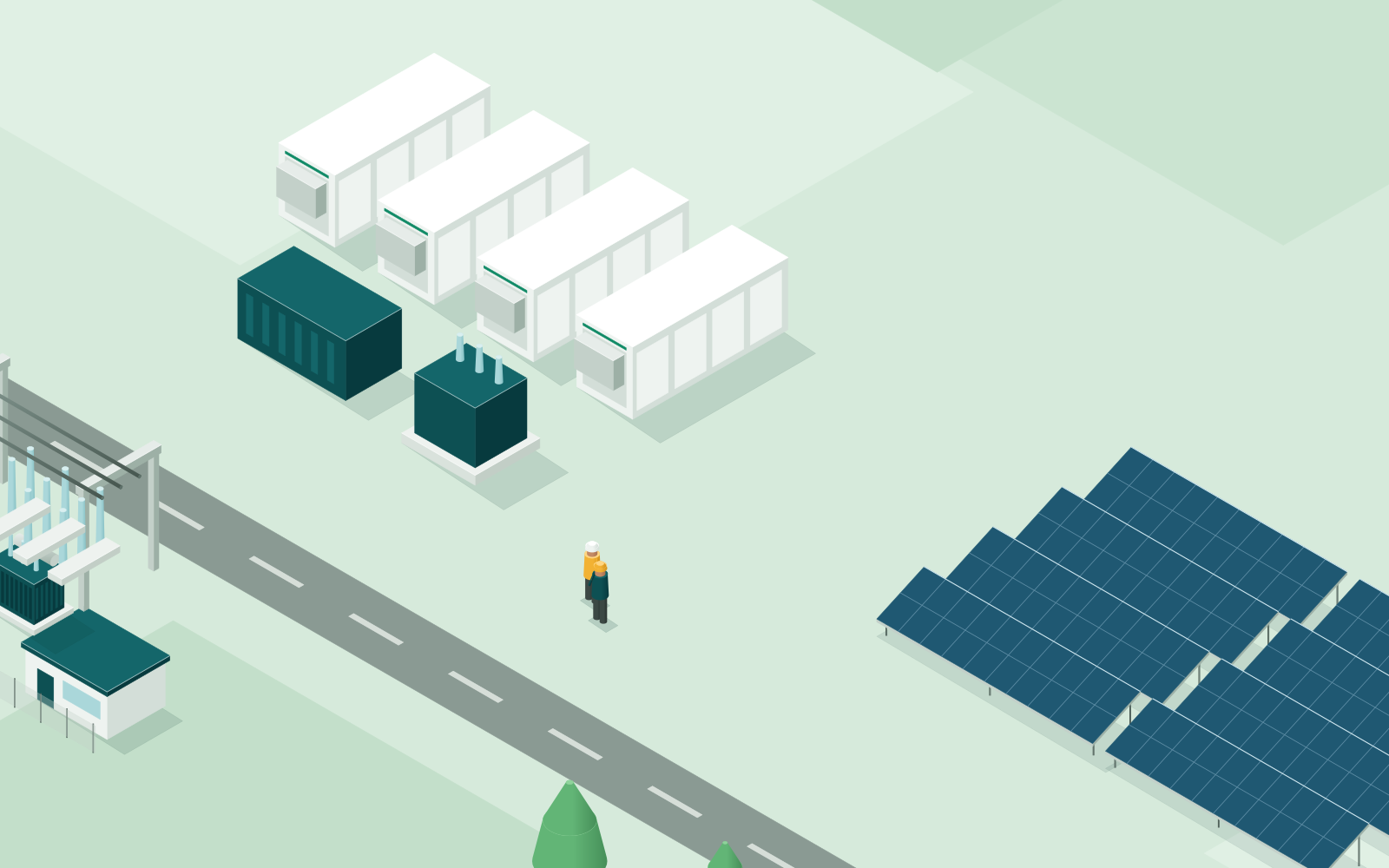
Solar produces at midday; Indonesia’s demand peaks in the evening. Storage bridges the two. The country’s first large storage plant shows how long that bridge takes to build.
- 1,040 MWUpper Cisokan, four 260 MW units
- 2030Target year for Upper Cisokan
- 10.3 GWStorage in RUPTL 2025–2034
Upper Cisokan
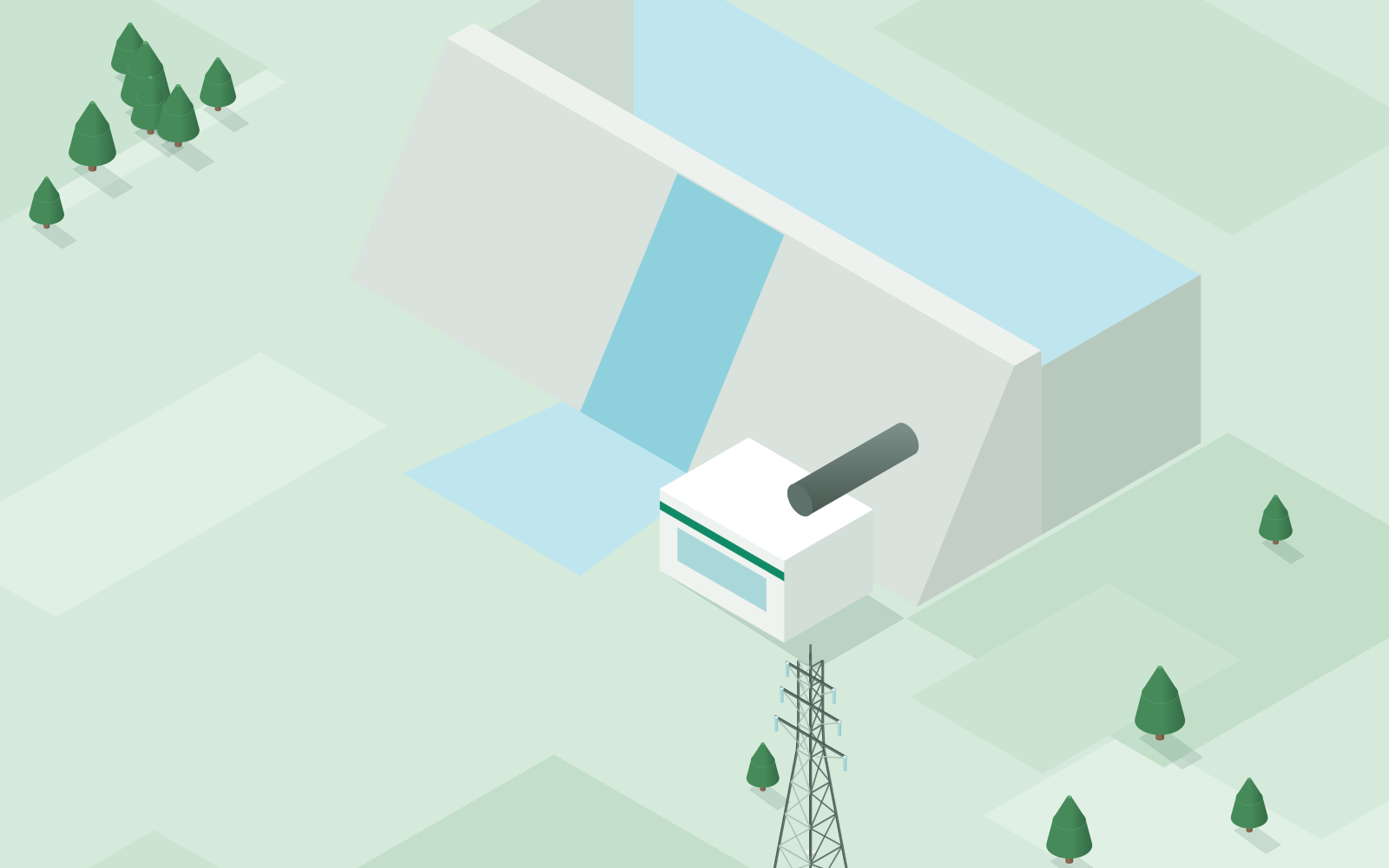
Upper Cisokan in West Java is a 1,040 MW pumped-storage plant with four 260 MW units in an underground powerhouse. It pumps water uphill when power is cheap and generates when it is needed. The World Bank lent US$380 million. Preparation took about fifteen years, and the latest target for commercial operation, reported in August 2026, is 2030, later than the 2026 and 2027 dates once given.
Storage in the plan
Storage covers batteries and pumped hydro.
Show data
| Period | GW |
|---|---|
| 2025–2029 | 3.0 |
| 2030–2034 | 7.3 |
| Upper Cisokan alone | 1.04 |
RUPTL plans 10.3 GW of storage over the decade, 3.0 GW before 2030 and 7.3 GW after. Upper Cisokan alone is about a third of the first-phase figure.
Batteries move faster
Pumped hydro lasts decades and stores many hours, but takes a decade to build. Battery systems can be installed in a year or two, at a solar site or a substation, and their cost has fallen sharply. PLN is still studying a 1 GW seawater pumped-storage project, but reporting notes rising competition from BESS.
Why timing matters
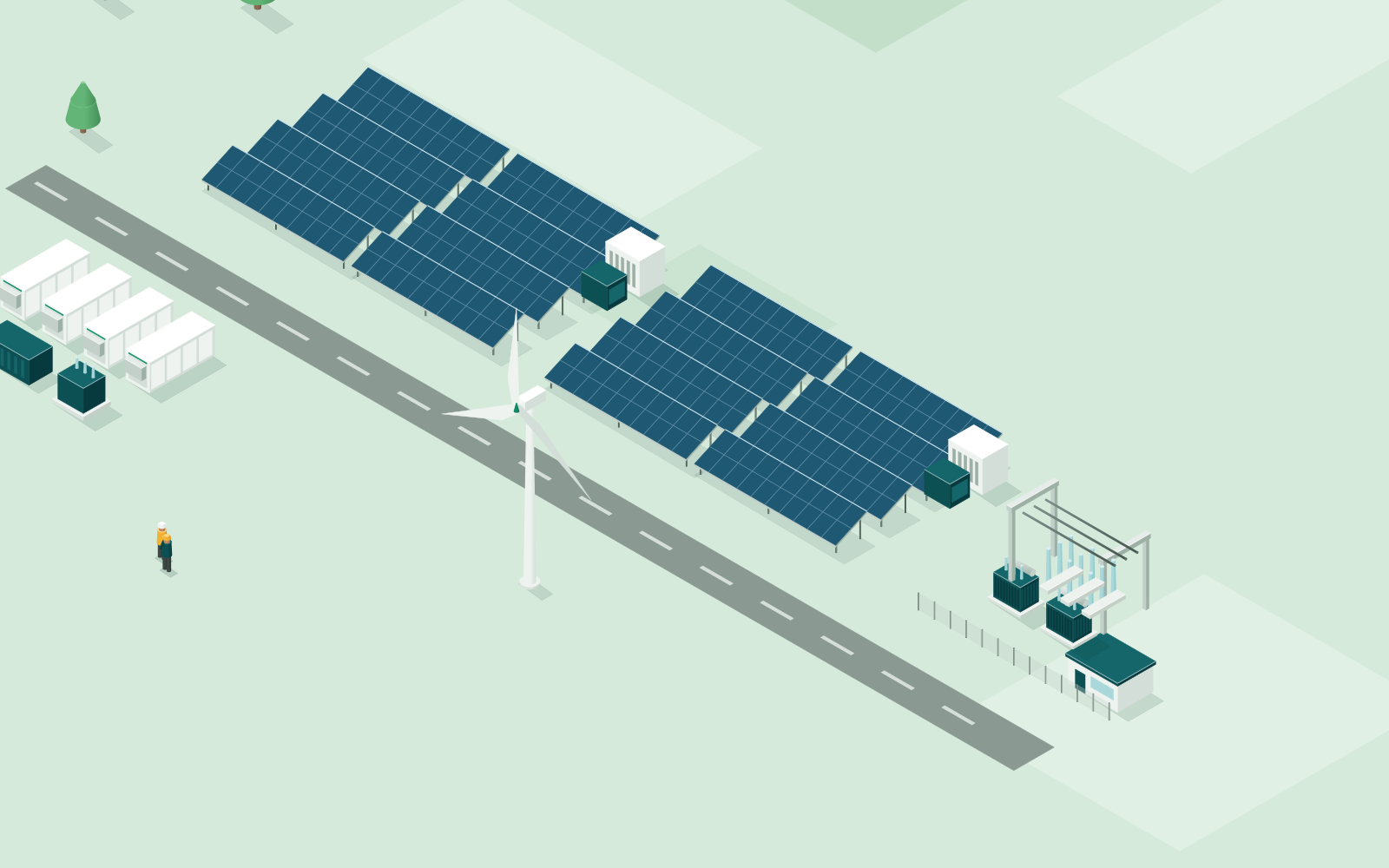
If solar under the 100 GWp programme arrives faster than storage, the grid will curtail midday output. The practical answer for developers is to size batteries with each project, using hourly simulation of the local system, rather than wait for central storage.
Batteries got 45% cheaper in a year
Show data
| Segment | USD/kWh |
|---|---|
| Stationary storage | 70 |
| Electric vehicles | 99 |
| All packs | 108 |
Pumped storage and batteries do different jobs. Upper Cisokan can run for hours and lasts for decades; batteries respond in milliseconds and can be built in months, close to solar plants. As battery prices fall, the case for batteries in the 2026–2030 gap, before Upper Cisokan arrives, gets stronger every year. See what an evening solar kWh costs.
Sources
- Petromindo, PLN studies 1 GW seawater pumped storage despite rising BESS competition, August 2026
- Water Power Magazine, World Bank approves loan for Indonesia’s first pumped storage plant
- Listrik Indonesia, PLN Enjiniring oversees first 1,040 MW pumped storage
- Hogan Lovells, Key takeaways from the 2025–2034 RUPTL
- BloombergNEF, lithium-ion battery pack prices fall to USD 108 per kWh
Summaries and analysis by Satu Energy. Programme and plan figures are not operating capacity unless stated.
Satu Energy (PT Satu Solusi Energi), Jakarta. Read online and download the chart data at satuenergy.com/insights/upper-cisokan-pumped-storage/. Contact: contact@satuenergy.com. This report uses public sources only; figures for plans and programmes are not operating capacity unless stated.